Home Battery Backup Costs: The Complete Pricing Guide
Learn the total turnkey cost of home battery backup installations. Compare hardware prices, labor soft costs, smart sub-panels, and 2026 incentives.
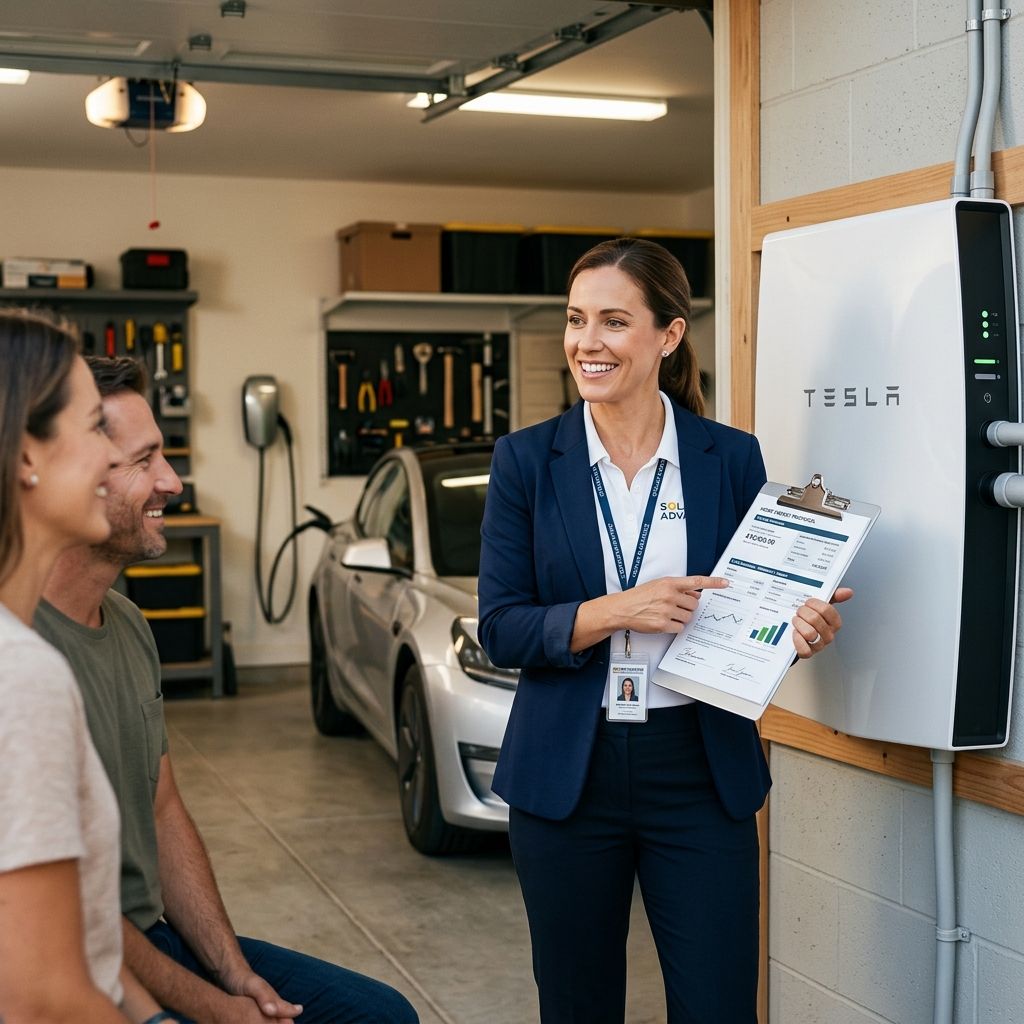
Investing in residential energy storage is a major upgrade for any homeowner. A battery backup system secures your home during grid blackouts, protects your family from utility price hikes, and lets you maximize your solar panels' output. However, the first hurdle most homeowners face is quote shock—receiving battery estimates ranging from $10,000 to over $25,000.
Because home battery systems are highly integrated electrical appliances, their total price tag is split between equipment hardware and specialized field labor. Sifting through quotes requires understanding these soft costs, sub-panel upgrades, gateway controllers, and time-sensitive tax incentives. Here is the complete pricing guide for home battery backup costs.
Total Average Costs at a Glance
For a typical United States household, the turnkey cost of installing a home battery backup system ranges from $12,000 to $17,000 for a single-unit installation. When multiple units are stacked to backup larger heating, cooling, or pump loads, the price shifts accordingly:
Essential Load Backup (5 to 10 kWh): Typically ranges from $7,000 to $11,000 fully installed. Designed to back up lights, Wi-Fi, cell phones, and a refrigerator during brief outages.
Medium Home Backup (10 to 15 kWh): Typically ranges from $12,000 to $17,000 fully installed. This is the industry-standard scale, providing sufficient power for critical appliances plus a sump pump or micro-wave.
Whole-Home Off-Grid Backup (20 to 30 kWh+): Typically ranges from $22,000 to $35,000+ fully installed. This configuration utilizes multiple stacked batteries to run heavy inductive loads like central air conditioning units or deep well pumps indefinitely.
Breaking Down the Costs: Equipment vs. Installation
To evaluate quotes fairly, you must understand the four primary pricing elements:
1. Hardware Costs: Batteries & Gateways
The battery pack itself represents the largest portion of your hardware budget. Lithium Iron Phosphate (LFP) cells are packaged with integrated battery management systems (BMS) and temperature control circuits. A quality 10–13.5 kWh battery pack typically retails for $8,000 to $11,000.
In addition to the battery, you must purchase a smart gateway controller (such as the Tesla System Controller or Enphase System Controller). The gateway manages grid disconnecting, isolates your home during blackouts, and acts as the system's brain. Gateways add $1,500 to $2,500 in equipment fees.
2. Labor and Electrical Soft Costs
Installing storage is far more complex than hooking up solar panels. A certified electrician must mount the battery, wire the gateway, and coordinate utility interconnection approvals. Professional labor, structural mounting, municipal permit fees, and interconnect engineering review fees typically account for $2,000 to $4,500 of the total turnkey quote.
3. Smart Electrical Panels & Sub-Panels
A battery cannot power your entire electrical panel unless you have a massive, multi-unit stack. Therefore, the electrician must isolate your backup circuits. This is accomplished in two ways:
Critical Loads Sub-Panel: A separate breaker panel containing only the circuits you want to back up (e.g. fridge, lights, internet). Installing a sub-panel costs $1,500 to $2,500 in parts and labor.
Smart Electrical Panels: Modern systems like the SPAN smart panel replace your main panel, letting you dynamically control which circuits are active during an outage via a mobile app. Smart panels cost $3,500 to $5,000 to install, but they eliminate the need for a physical sub-panel.
2026 Incentives and Tax Credit Status
Incentive structures have undergone massive regulatory changes recently:
Direct Homeowner Credit Expiration: Under the One Big Beautiful Bill Act (OBBBA) passed in July 2025, the Section 25D 30% federal tax credit has officially expired for homeowner-purchased systems (cash or loans) as of January 1, 2026.
PPA & Lease Workarounds: For installations in 2026, you can only claim the 30% tax benefit if you choose third-party ownership structures like leases or Power Purchase Agreements (PPAs). The commercial developer leverages Section 48E commercial credits and passes the savings to you via lower monthly rates.
State & Utility Rebates: State programs like California's SGIP, Maryland's energy storage tax credit, and utility-managed Virtual Power Plants (VPPs) are now the primary drivers of upfront cost reductions.
Section 25D Credit Update
As of January 1, 2026, the Section 25D 30% federal clean energy tax credit is expired for cash and loan home battery purchases under the July 2025 OBBBA legislation. Homeowners looking to claim 30% tax savings must utilize third-party leases or PPAs, or tap into state-level rebates and utility Virtual Power Plants.
Typical Battery Cost Specifications Grid
The table below breaks down equipment, labor, and total turnkey cost ranges across common residential project scales:
Home Battery Installation Pricing Blueprint
| Essential Backup (Router + Fridge + Lights) | Hardware: $8,000 - $10,000 | Turnkey: $11,000 - $13,500 |
| Whole-Home Backup (Medium Load + Sump Pump) | Hardware: $15,000 - $20,000 | Turnkey: $22,000 - $28,000 |
| Advanced Off-Grid (HVAC + Well Pump + Stacked Units) | Hardware: $28,000 - $35,000 | Turnkey: $36,000 - $45,000 |
Sizing and ROI Calculations
Evaluating home battery costs requires weighing upfront prices against long-term utility bill savings and emergency safety value. While LFP hardware requires a significant initial investment, time-of-use rate shifting and virtual power plant enrollment can shorten payback periods considerably. To calculate your payback schedule under current utility tariffs, use our interactive ROI calculator below:
Evidence
Sources and methodology
Article FAQ
Common questions
Why is labor so expensive for battery installations?
Installing storage requires complex high-voltage electrical work, including mounting a heavy battery unit, installing a gateway controller, running conduit, wiring a sub-panel, and modifying main panel feeds. Electricians must also handle building permits and coordinate utility interconnection sign-offs, which can take 10 to 20 hours of professional labor.
Does adding a battery during a solar installation save money?
Yes. Combining solar and battery storage into a single installation saves roughly $2,000 to $3,000 in labor and soft costs. The contractor only needs to pull a single permit, coordinate utility interconnection once, and install a single hybrid inverter instead of two separate inverters, reducing total labor overhead.
Can I install a home battery myself to save money?
No. Major battery manufacturers (including Tesla, Enphase, and FranklinWH) require installations to be performed by certified dealers to maintain warranty coverage. Furthermore, energy storage systems carry extreme risk of high-voltage shock and fire if wired incorrectly, making professional installation mandatory.

Written by
Battery Planning Editorial Team
The official editorial and research team for Battery Planning, providing expert battery sizing guides, specifications audits, and cost estimation planners.