Battery ROI
Estimate payback, lifetime savings, and return on investment using system cost, incentives, utility rates, and maintenance assumptions.
Size batteries, estimate runtime, and compare storage costs from one practical planning hub.Accurately size your home battery, estimate backup runtime, and compare installed costs with our data-driven battery planning hub.
Estimate payback, lifetime savings, and return on investment using system cost, incentives, utility rates, and maintenance assumptions.
Estimate battery storage capacity for critical loads, backup runtime, reserve margin, and usable depth of discharge.
Estimate solar system size, panel count, and roof area needs from monthly usage, sun hours, panel wattage, and losses to inform solar-battery pairing decisions.
Estimate payback, lifetime savings, and return on investment using system cost, incentives, utility rates, and maintenance assumptions.
Estimate battery storage capacity for critical loads, backup runtime, reserve margin, and usable depth of discharge.
Estimate solar system size, panel count, and roof area needs from monthly usage, sun hours, panel wattage, and losses to inform solar-battery pairing decisions.
Each hub connects one major battery decision to the calculators and guides that support it.
Compare chemistries, warranted cycles, usable capacity, and installed costs across leading home battery brands.
Start buying guideIdentify critical loads, choose a transfer switch, and size storage around your outage goals and recharge assumptions.
Plan backup powerModel installed cost, incentive stacking, cost-per-kWh, and long-term payback before comparing installer proposals.
Compare costsRun the battery sizer, runtime, cost, and energy-use calculators from one decision-focused toolkit.
Use the tools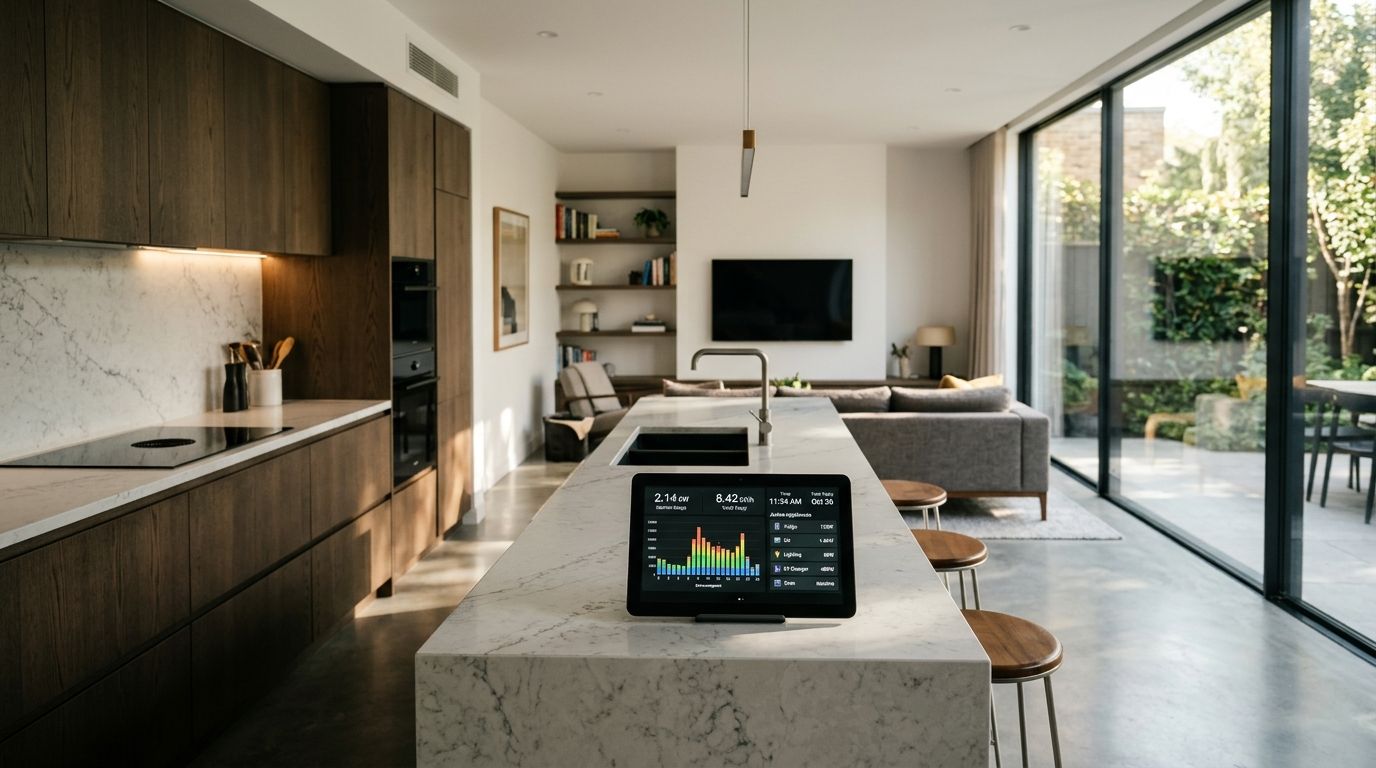
Learn how to calculate your home energy consumption, audit appliance wattages, eliminate vampire loads, and model daily kWh for solar and battery planning.
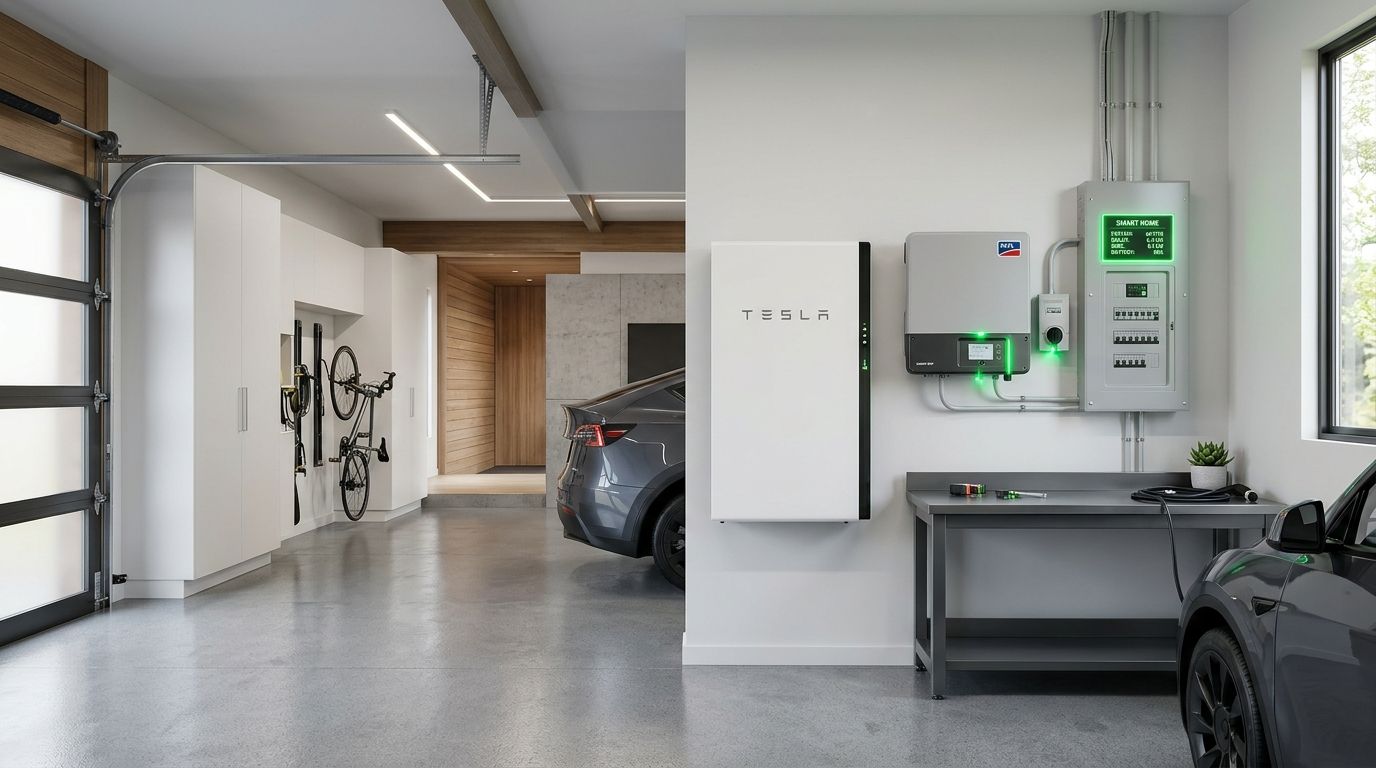
Complete 2026 guide to home battery backup incentives: federal tax credits under IRS Form 5695, 3kWh capacity rules, state rebates, Virtual Power Plants, and NEM 3.0 savings.
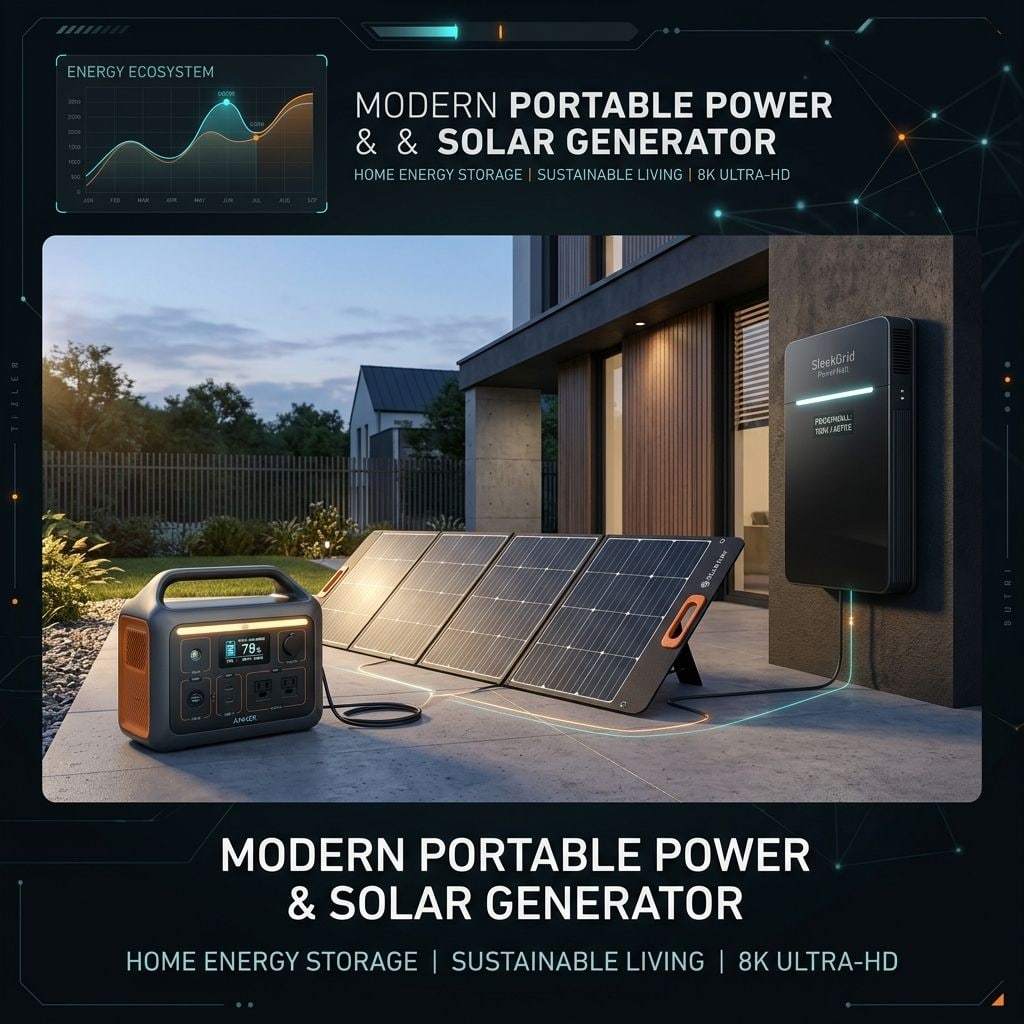
Technical comparison between portable solar generators (EcoFlow, Jackery, Bluetti) and whole-home battery banks (Tesla Powerwall 3, Enphase 5P). Compare inverter surge limits, subpanel wiring, and $/Wh efficiency.
Learn how to calculate your home energy consumption, audit appliance wattages, eliminate vampire loads, and model daily kWh for solar and battery planning.
Read ArticleComplete 2026 guide to home battery backup incentives: federal tax credits under IRS Form 5695, 3kWh capacity rules, state rebates, Virtual Power Plants, and NEM 3.0 savings.
Read ArticleTechnical comparison between portable solar generators (EcoFlow, Jackery, Bluetti) and whole-home battery banks (Tesla Powerwall 3, Enphase 5P). Compare inverter surge limits, subpanel wiring, and $/Wh efficiency.
Read ArticleClear, authoritative answers to the most common home battery planning questions.
Battery size depends on which loads you want to keep running and for how long. A whole-home backup typically requires 20–30 kWh of usable storage, while an essential-loads-only setup can often work with 10–15 kWh. Use our Battery Sizer calculator to model your specific critical loads, runtime target, and depth-of-discharge assumptions.
Runtime depends on battery usable capacity, your critical load draw, and inverter efficiency. A 10 kWh usable battery powering 1.5 kW of critical loads will last roughly 6–7 hours. Our Backup Runtime Estimator lets you model multiple scenarios with your actual load figures.
For most homeowners the answer is yes, especially after the Inflation Reduction Act expanded the 30% federal tax credit to standalone battery storage systems. Payback improves further in areas with high electricity rates, frequent outages, or time-of-use billing where batteries can shift loads to off-peak hours.
Yes. Since 2023, standalone battery systems qualify for the 30% federal Investment Tax Credit regardless of whether they are paired with solar panels. State and utility incentives may also apply depending on your location.
The primary factors are depth of discharge (how deeply the battery is regularly cycled), operating temperature, and charge rate. Lithium iron phosphate (LFP) batteries typically offer 3,000–6,000 warranted cycles at 80–100% depth of discharge. Keeping operating temperatures below 35°C and avoiding routine full discharges can extend practical service life significantly.
Battery Planning keeps estimates practical by combining chemistry data, incentive rules, and real installer pricing into one consistent editorial system.
30%
Federal tax credit for qualifying standalone battery storage systems.
6,000+
Warranted cycles for premium LFP chemistry at 100% depth of discharge.
500+
Data points from installer quotes reflected in our cost benchmarks.
Monthly battery technology updates, incentive changes, and practical sizing checklists for homeowners planning energy storage.
Answer three quick questions about your home loads and outage goals to get a personalised battery size recommendation.